Skye Logistics B.V.
How to Request a Road Freight Quote in Europe
For many companies, arranging road transport seems straightforward until they actually start requesting quotations.
Prices vary significantly, transit times are not always comparable, and important shipment details are often missing from quote requests.
As a result, businesses regularly receive inaccurate pricing, delayed responses, or transport solutions that do not actually fit their operational needs.
At Skye Logistics, we help companies simplify European road freight through practical logistics coordination, direct communication, and tailored transport solutions.
Understanding how road freight quotations work is essential for building a reliable and cost-efficient supply chain.
What Is Road Freight?
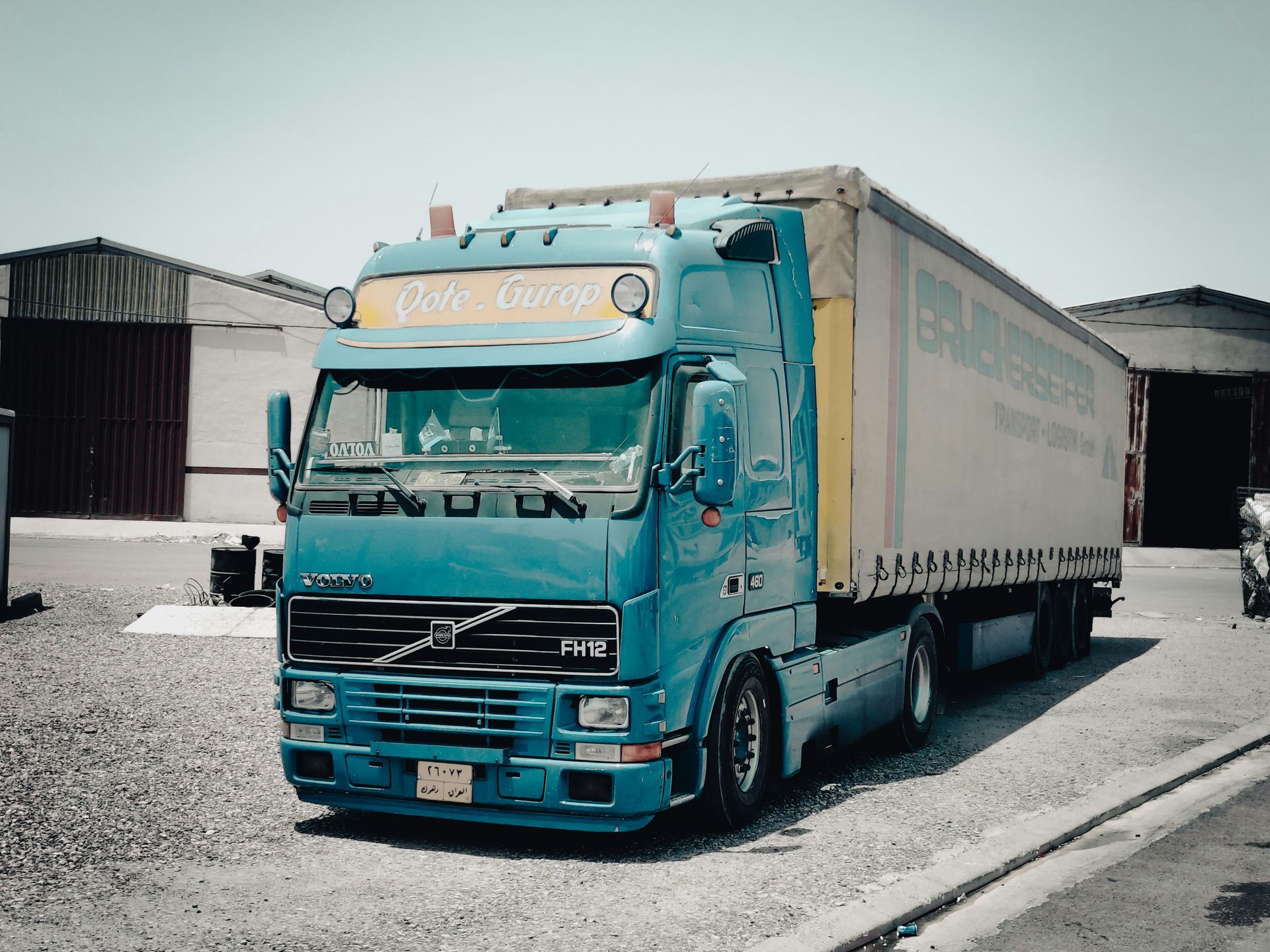
Road freight refers to cargo transported by truck across domestic or international routes.
In Europe, road transport remains one of the most important logistics solutions because it offers:
- Flexibility
- Fast transit times
- Door-to-door delivery
- Strong European connectivity
- Efficient pallet distribution
Road freight is commonly used for:
- Domestic transport
- European distribution
- Retail logistics
- Industrial cargo
- Pallet shipments
- Full trailer loads
- Express deliveries
The Different Types of Road Transport
One of the first things transport providers need to know is what type of shipment you have.
Groupage
Groupage combines smaller shipments from multiple customers into one trailer.
This is usually the most cost-efficient option for smaller pallet shipments.
LTL (Less Than Truck Load)
LTL shipments occupy a larger portion of trailer space but do not require a full trailer.
This option balances cost and transit efficiency.
FTL (Full Truck Load)
FTL means one shipment occupies the full trailer.
This is often used for:
- High-volume shipments
- Dedicated transport
- Time-sensitive cargo
- Direct deliveries
The right transport solution depends on cargo size, urgency, and operational requirements.
What Information Is Needed for a Road Freight Quote?
One of the biggest reasons for inaccurate transport pricing is incomplete shipment information.
To receive an accurate road freight quotation, companies should provide:
- Pickup postcode
- Delivery postcode
- Destination country
- Number of pallets
- Cargo dimensions
- Total weight
- Ready date
- Goods description
- Hazardous or non-hazardous classification
- Customs requirements if applicable
- Required service level (groupage, LTL or FTL)
Additional operational details may also affect pricing, such as:
- Time-slot deliveries
- Tail lift requirements
- ADR cargo
- Limited access locations
- Stackability
- Loading restrictions
The more accurate the shipment information, the more reliable the quotation.
Why Road Freight Prices Can Vary Significantly
Many businesses are surprised when they receive very different transport prices for the same shipment.
That happens because road freight pricing depends on multiple factors, including:
- Distance
- Fuel costs
- Trailer availability
- Loading meters
- Weight
- Transit urgency
- Ferry costs
- Toll charges
- Driver availability
- Seasonal capacity
European road freight markets are highly dynamic.
Prices can fluctuate rapidly depending on operational demand and market conditions.
Reliability Matters More Than Just Price
The cheapest quote is not always the best transport solution.
Low-cost transport can sometimes result in:
- Delays
- Poor communication
- Missed collection windows
- Limited shipment visibility
- Additional charges
- Operational disruptions
Strong logistics performance depends on more than freight rates alone.
Businesses should also evaluate:
- Communication quality
- Transit reliability
- Shipment visibility
- Problem-solving capabilities
- Local operational support
- Customs expertise if needed
Reliable transport reduces operational risk throughout the supply chain.
Why Many Companies Work With Freight Forwarders
Road freight involves much more than simply finding a truck.
A freight forwarder helps coordinate:
- Carrier selection
- Route planning
- Shipment visibility
- Customs support
- Operational communication
- Exception management
- Capacity planning
Especially during disruptions, operational support becomes critical.
Strong logistics coordination often creates more long-term value than simply chasing the lowest transport price.
Road Freight Is Becoming More Complex
European logistics continues to evolve rapidly due to:
- Driver shortages
- Rising operational costs
- Sustainability regulations
- Congestion
- Capacity fluctuations
- Customs changes
- Increasing customer expectations
- Digitalization
As supply chains become more demanding, businesses increasingly need logistics partners who understand both operational execution and commercial impact.
How to Improve Your Transport Procurement
Companies can improve road freight efficiency by:
- Providing complete shipment information
- Planning transport earlier
- Understanding loading meters
- Optimizing pallet configurations
- Comparing total service quality, not only price
- Working with reliable logistics partners
Good logistics starts with good preparation.
Choosing the Right Logistics Partner
The best road freight solution depends on:
- Shipment frequency
- Cargo type
- Delivery urgency
- Geographic coverage
- Service expectations
- Operational complexity
At Skye Logistics, we help businesses simplify European road transport through practical logistics coordination, direct communication, and hands-on operational support.
Because successful transport is not only about moving freight.
It is about keeping your business moving reliably.